
Dubai has built a global reputation for being one of the cleanest and most advanced cities in the world. Behind this achievement lies a strict framework of waste management rules and regulations that ensure the city remains sustainable, hygienic, and environmentally friendly. As Dubai continues to grow rapidly, its residents, businesses, and industries must all play their part in managing waste responsibly. Understanding these regulations is essential, especially for those involved in garbage removal in Dubai.
The Importance of Waste Management in Dubai
Waste management is not just about keeping the streets clean; it is a critical part of public health, environmental protection, and sustainable development. Dubai’s government emphasizes proper waste segregation, recycling, and disposal to reduce landfill waste and promote eco-friendly practices. By implementing modern strategies, Dubai aims to achieve its ambitious goal of zero waste to landfill by 2030.
Waste Segregation Rules
One of the cornerstones of Dubai’s waste management regulations is segregation. Residents and businesses are required to separate waste into categories such as:
- General Waste – Non-recyclable items that go to landfills.
- Recyclables – Items like paper, plastic, glass, and metal that can be reused.
- Organic Waste – Food scraps and biodegradable waste.
- Hazardous Waste – Batteries, chemicals, and medical waste, which require specialized disposal.
Proper segregation ensures efficient garbage removal in Dubai and supports recycling initiatives. Failure to comply can result in fines or penalties.
Waste Collection and Disposal
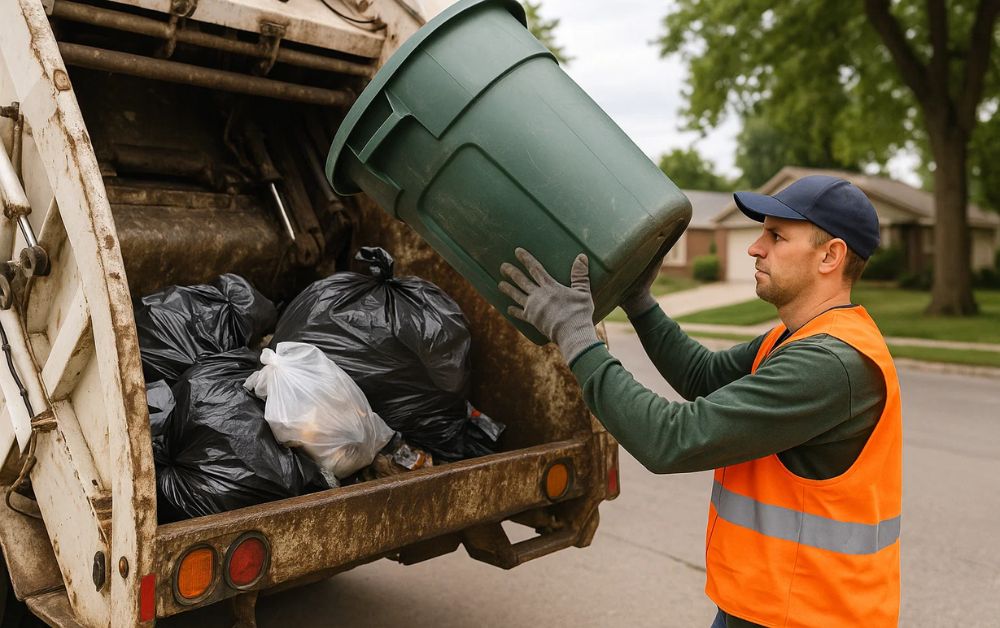
Dubai Municipality plays a central role in regulating and monitoring waste collection services. Licensed companies provide residential, commercial, and industrial waste collection to ensure that trash is removed safely and efficiently. For construction and demolition projects, special permits are required to transport and dispose of debris at approved facilities.
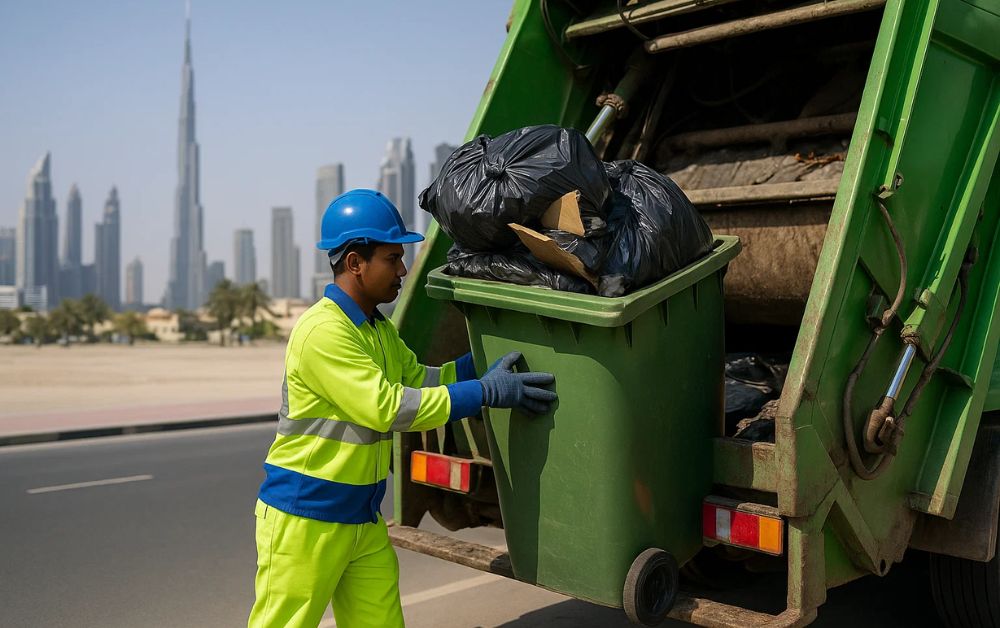
Residents are expected to dispose of their household waste in designated bins provided by the municipality. Businesses, on the other hand, must sign contracts with licensed service providers to manage larger volumes of waste. These rules ensure that garbage removal in Dubai is conducted in an organized, legal, and environmentally responsible way.
Recycling Initiatives
Recycling is at the heart of Dubai’s sustainability efforts. Authorities have established recycling centers and drop-off points across the city to encourage people to reuse and recycle materials. Dubai has also introduced smart bins that promote awareness about waste separation and recycling. Compliance with these recycling initiatives is vital for reducing the city’s carbon footprint.
Penalties for Non-Compliance
Dubai enforces strict penalties for violations of waste management regulations. Dumping waste in unauthorized areas, littering, or mixing hazardous waste with general garbage can result in heavy fines. These penalties serve as a deterrent and encourage individuals and businesses to follow proper procedures for garbage removal in Dubai.
The Role of Technology
Technology is transforming the way Dubai manages waste. Smart monitoring systems track garbage collection routes, recycling rates, and landfill usage. This data helps the municipality streamline operations and improve efficiency. Moreover, awareness campaigns and mobile applications provide residents with real-time information about waste disposal rules and recycling programs.
Corporate Responsibility
Businesses operating in Dubai are expected to adopt sustainable waste management practices. From hotels and restaurants to construction companies, organizations must ensure that they follow guidelines for waste segregation, recycling, and disposal. Many companies are now investing in eco-friendly methods, such as composting organic waste or using recyclable packaging, to align with Dubai’s sustainability goals.
Community Awareness and Participation
Public awareness is crucial to the success of Dubai’s waste management framework. Campaigns and educational programs encourage residents to reduce waste, recycle, and adopt green habits. Schools, community organizations, and social platforms all play an active role in spreading awareness. Active participation from residents ensures smoother and more efficient garbage removal in Dubai.
Conclusion
Dubai’s waste management rules and regulations are designed to maintain the city’s cleanliness, safeguard public health, and protect the environment for future generations. From segregation and recycling to responsible disposal, every step in the system has been carefully planned and enforced. Compliance with these regulations ensures that garbage removal in Dubai remains efficient, sustainable, and environmentally responsible. Among the service providers that support this vision, Garden Landscape shines for its commitment to delivering reliable and eco-friendly waste management solutions that align with Dubai’s sustainability goals.